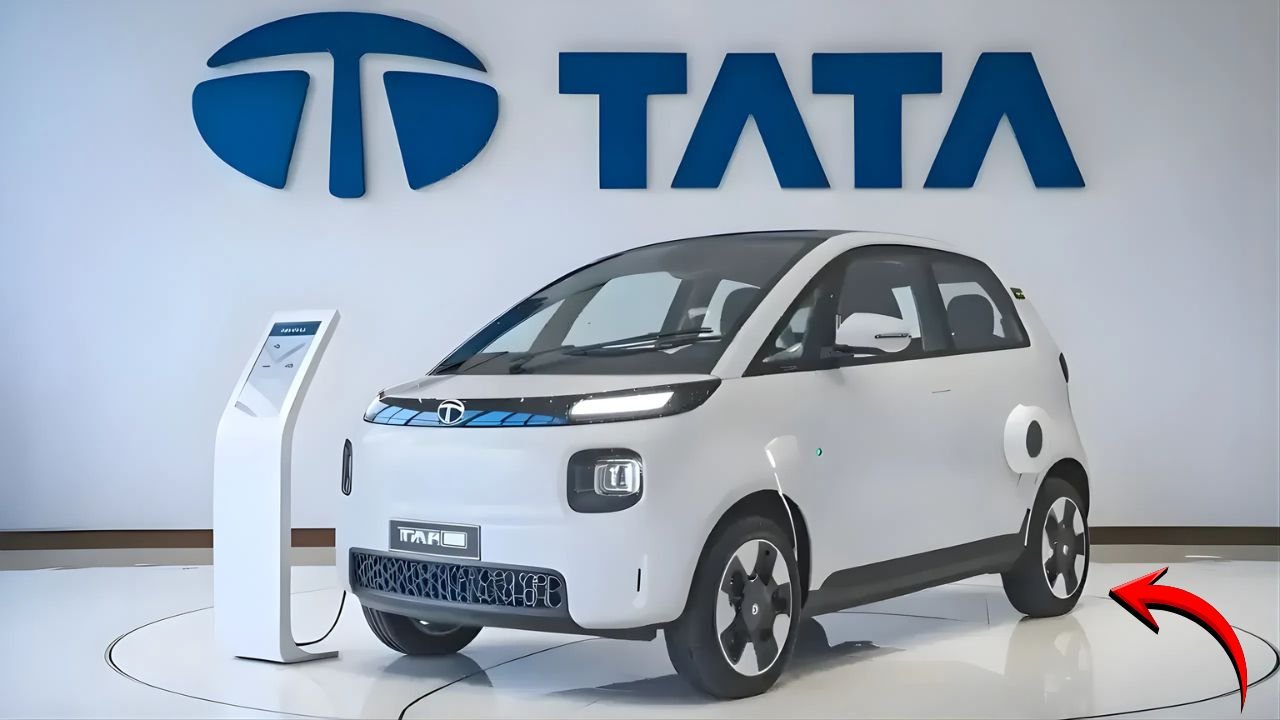
Tata Motors has officially brought back one of India’s most talked-about nameplates with the launch of the Tata Nano EV 2026, reimagined for an electric future. Once positioned as the people’s car, the Nano now returns as an entry-level electric vehicle aimed at first-time EV buyers, urban commuters and cost-conscious families looking to move away from petrol without stretching their budgets. With a claimed range of up to 550 km and pricing that undercuts most electric cars in the country, Tata Motors is clearly targeting mass adoption rather than niche appeal.
Key Specifications – Tata Nano EV 2026
| Specification | Details |
|---|---|
| Powertrain | Single Electric Motor |
| Battery Pack | 32 kWh Lithium-ion |
| Claimed Range | Up to 550 km |
| Real-World Range | Approx. 380–420 km |
| Max Power | 55 PS |
| Max Torque | 120 Nm |
| Transmission | Single-speed Automatic |
| Drive Type | Rear-wheel Drive |
| Charging Time (AC) | 6.5 hours |
| Charging Time (DC Fast) | 80% in 60 minutes |
| Seating Capacity | 4 |
| Kerb Weight | Approx. 950 kg |
| Starting Price | ₹5.25 lakh (ex-showroom) |
Exterior Design and Styling
The Tata Nano EV 2026 retains its iconic compact proportions but with a thoroughly modern design language. Rounded edges have been replaced by cleaner surfaces, LED daytime running lights and a closed-off front grille that clearly signals its electric identity. The short overhangs and tall stance make it ideal for crowded Indian cities, while the revised wheel design and flush door handles add a contemporary touch. Despite its compact footprint, the car feels more substantial than the original Nano, reflecting Tata’s progress in design and engineering over the years.
Motor, Performance, and Real-World Indian Driving Experience
Power comes from a rear-mounted electric motor tuned for efficiency rather than outright performance. In city conditions, the Nano EV feels quick off the line thanks to instant torque delivery, making it easy to merge into traffic and navigate busy intersections. The light steering and tight turning radius are well suited to narrow lanes and congested markets. On flyovers and ring roads, the car maintains steady cruising speeds comfortably, though it is clearly engineered with urban usage in mind rather than high-speed highway runs.
Driving Range and Efficiency Focus
Range anxiety has long been a concern for Indian EV buyers, and Tata Motors is addressing this head-on with a claimed 550 km range. In real-world Indian driving conditions, including traffic, air-conditioning usage and mixed road surfaces, users can expect a practical range of around 380 to 420 km. For city dwellers with daily commutes of 20 to 40 km, this means charging once a week, significantly reducing dependency on public charging infrastructure and lowering overall running costs.
Interior Comfort and Daily Usability
Inside, the Tata Nano EV 2026 feels far more premium than its predecessor. The dashboard layout is simple yet functional, with improved materials and better fit and finish. Seating comfort has been enhanced with better cushioning and improved under-thigh support, making daily commutes more comfortable. Headroom remains generous, and while rear-seat space is best suited for two adults, it remains practical for short city trips. The flat floor design also improves ease of entry and exit, especially for elderly users.
Features and Technology
The Nano EV 2026 focuses on essential features that add real-world value. A touchscreen infotainment system with smartphone connectivity, digital instrument cluster, keyless entry and push-button start are offered on higher variants. Connected car features allow users to monitor charging status, vehicle location and energy consumption via a mobile app. Tata has consciously avoided overloading the car with unnecessary tech, keeping costs in check while meeting modern expectations.
Safety, Build Quality, and Regulatory Compliance
Safety standards have improved significantly compared to the original Nano. The 2026 EV version comes equipped with dual front airbags, ABS with EBD, electronic stability control and rear parking sensors as standard. The body structure is built on Tata’s updated small-car EV platform, offering better crash protection and rigidity. The Nano EV complies with all current Indian safety regulations and EV norms, giving buyers added peace of mind.
Variants and Colour Options
Tata Motors is offering the Nano EV 2026 in three variants, catering to different budgets and usage needs. Colour options include Arctic White, Electric Blue, Urban Grey, Lime Green and Midnight Black, allowing buyers to choose between conservative and youthful shades.
Price Positioning and Competition
With a starting price of ₹5.25 lakh ex-showroom, the Tata Nano EV 2026 positions itself as India’s most affordable electric car. It sits well below rivals like the Tata Tiago EV and MG Comet EV, while offering a significantly higher driving range. While some competitors may offer more premium interiors or larger footprints, the Nano EV’s value proposition lies in its low entry price, strong range and Tata’s trusted service network.
Who Should Buy the Tata Nano EV 2026
The Nano EV 2026 is ideal for first-time car buyers upgrading from two-wheelers, urban families seeking a second car, senior citizens looking for easy mobility and daily commuters wanting predictable running costs. It also makes sense for buyers who want to enter the EV space without worrying about high upfront costs or charging frequency.
Final Verdict
The Tata Nano EV 2026 marks a thoughtful and timely return of a legendary nameplate. By combining affordable pricing, usable real-world range and Tata’s growing EV ecosystem, it lowers the barrier to electric mobility for Indian buyers. It may not offer luxury or performance thrills, but as a practical city-focused electric car, the Nano EV delivers exactly what its target audience needs.